Must-haves
This is a non-exhaustive list of materials and tools you need to decorate your cookies (apart from Royal Icing itself). They can be purchased in retail stores and on the Internet; however, the widest selection can be found at various online marketplaces such as Allegro, Amazon, Etsy etc.
Cookies to decorate
The cookie is the foundation for decorating with RI. Theoretically, you can use any cookies, but you need to select a recipe with minimal spread, and one that doesn't rise. The best option are rollout cookies (rolled out with a rolling pin) since they have an almost flat surface and are sturdy enough so they can be handled more easily. This can be sugar cookies, butter cookies or gingerbreads.
Cookie cutters
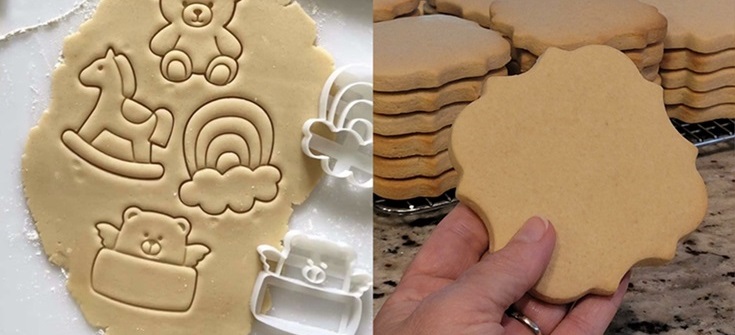
Cookie cutters help you to cut your cookies into a particular shapes. They are best suited for cutting rolled-out sugar cookie dough or gingerbread dough. Metal cookie cutters are durable and easily cut through dough, while plastic cookie cutters are affordable and a good choice for anyone who doesn't want to handle a sharp cookie cutter.
Note:
Place the baking sheet whit cut-out shapes into the refrigerator for at least 30 minutes to chill your dough. Chilling helps avoid spreading while baking - in other words, it prevents your cookies from loosing their shape during heat treatment.
Dehydrator / Drying tool
A dehydrator is a kitchen appliance used to remove moisture from food placed inside of it. While it's mainly used to dry fruit, mushrooms or herbs, it can be equally successful with cookies decorated with RI. Royal Icing needs at least 6 hours to thoroughly harden so that it can be touched or moved without creating imperfections. Shortly after decorating, a thin crust will begin to form on the top of the medium. When this happens, it will begin to look like it's dry, but the substance underneath the top layer will not yet have hardened. Food dehydrator will speed up the whole process by removing the moisture from the medium and creating an airflow inside the housing. It also gets the first layer of the RI to dry quickly and shortens the waiting time between the first and second layers of icing. More information about drying can be found in Drying section.
Note:
Since the optimal drying temperature of RI is 40-43°C (104-109°F), the key functionality to consider when selecting the right dehydrator is a temperature adjustment in one degree increments, in either Fahrenheit or Celsius.
Food coloring
Food coloring or color additives is any dye or pigment that can impact color, when added to food. It's available in three consistencies: liquid, gel/paste and powder.
- Liquid coloring is less concentrated than other kinds so it produces the softest level of color. In case of rich shades, you’ll need to add a lot of it, which can alter the icing consistency (since you’re adding liquid).
-
Gel colors contain bright pigments and only a little liquid. It means you can add more color to your icing without changing its consistency, so a small amount of the dye is enough to achieve a dark, rich tone. Add just a bit at a time, because gels take longer to incorporate into icing.
-
All gel food coloring runs the risk of having an aftertaste, due to the preservatives required to make gel food colors.
-
Powdered food colors contain only dry ingredients and must be added directly to the icing. Due to the high coloring power, they should be dosed gradually with a toothpick in minimal quantities or with a knife tip until the desired color is obtained.
Watch the detailed video tutorial by Wilton on how to add gel colors to your icing:
Food packaging film (food-grade plastic)
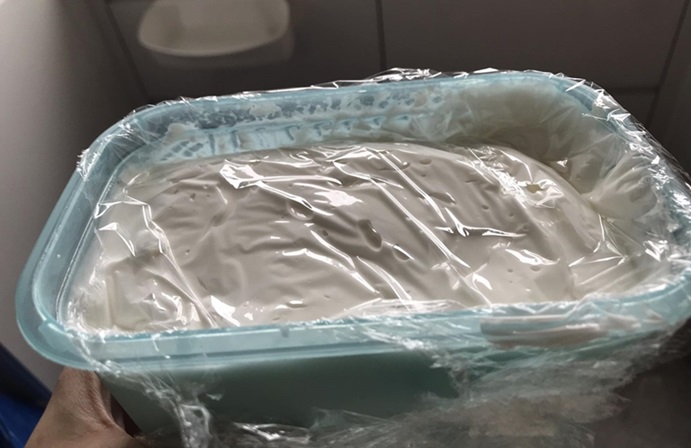
Due to its barrier properties, plastic food wrap is essential when storing your freshly mixed or dyed RI. The surface of icing crusts when exposed to the air (even if stored in air-tight containers because of the air layer trapped between the medium and the lid), so it must be covered tightly with a piece of wrap.
Icing Storage
Fresh, undried icing crusts as it’s exposed to air, so it is essential that you cover it with a food packing plastic film and place it in a refrigerator, until ready to use.
Once the icing has dried, the decorations will last indefinitely. The structure will not break down as long as decorated items are stored in a cool, dry place, individually wrapped in clear cellophane bags and heat-sealed at both ends for freshness.
Note:
Be careful when handling finished cookies as they are fragile (especially protruding elements such as flowers or borders).
Scribe tool/toothpicks
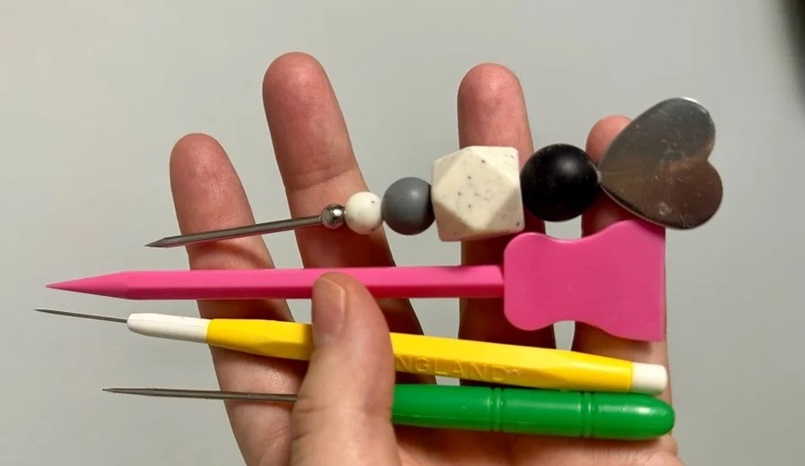
Scribe is a pointy tool essential when working with Royal Icing. It helps to pop air bubbles, position sprinkles, evenly distribute icing into the corners of flooded cookies and to do other decorating techniques, especially Wet-on-wet technique. It's possible to use a toothpick instead, but metal or plastic is better, since icing doesn't stick to metal the same way as it does to wood.
Tipless piping bags
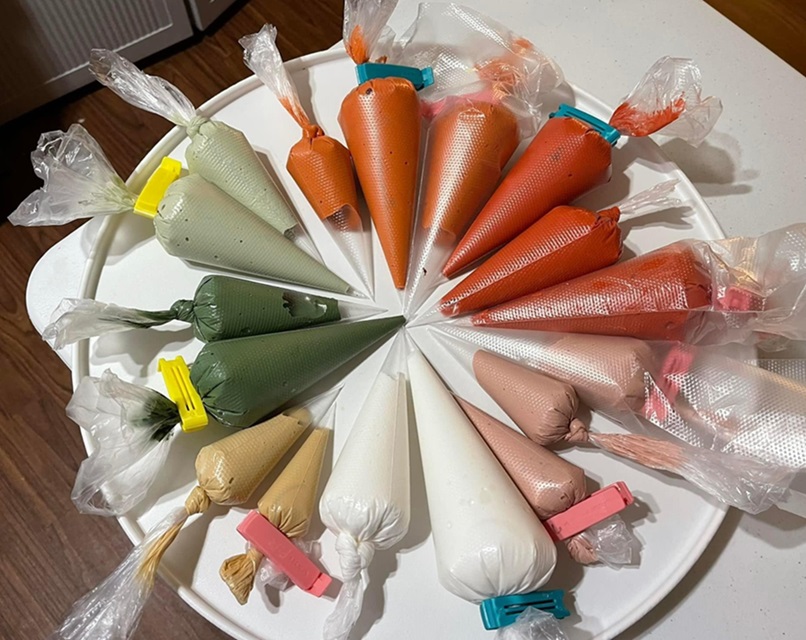
Tipless, disposable bags are the best option for most RI decorating. You can change how much icing comes out by varying the pressure you put on the piping bag. You can also adjust how large you want the hole in the piping bag by cutting the tip - typically larger for flooding royal icing and smaller for detail work.